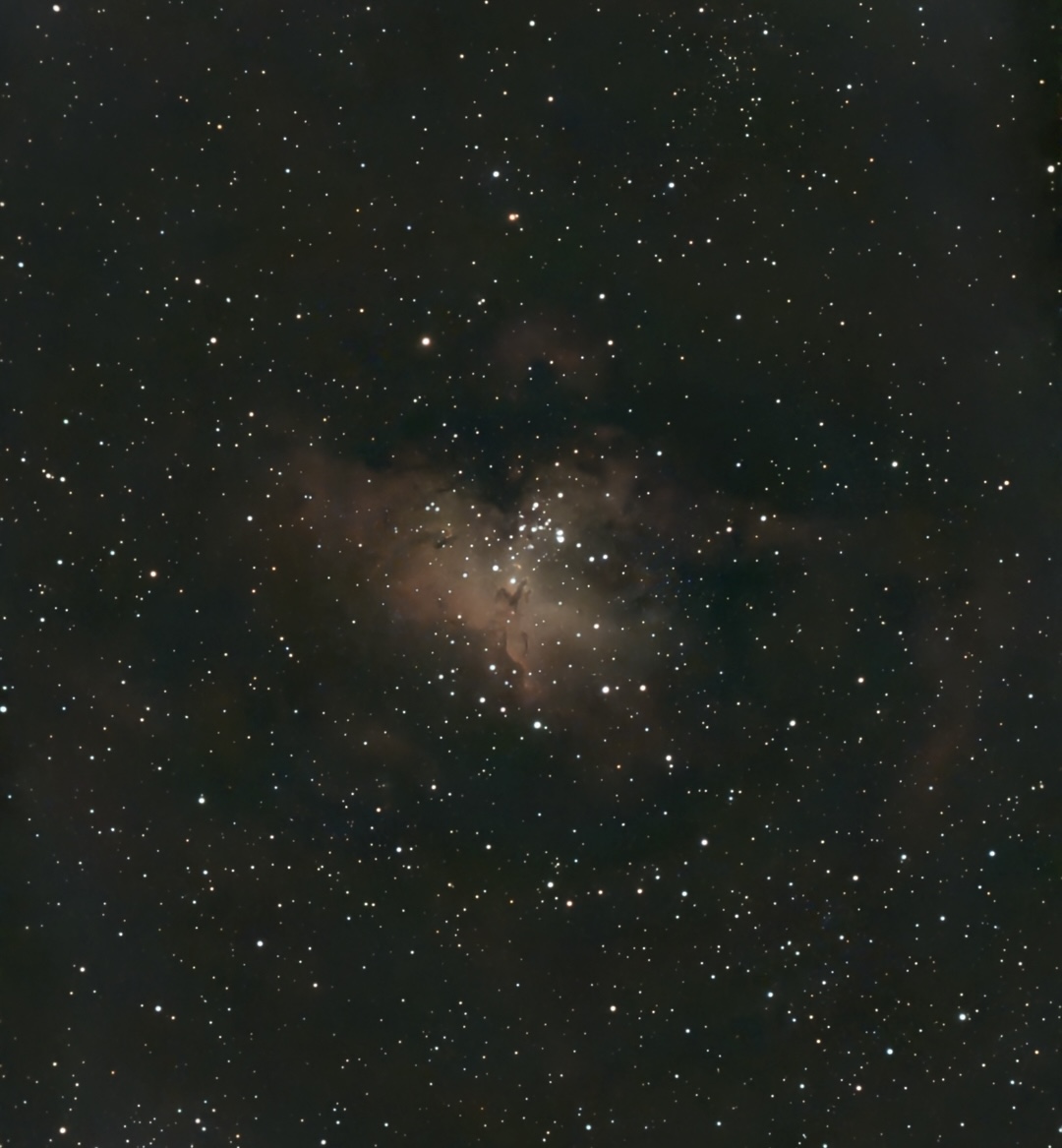
Crescent Nebula
Here is the Crescent Nebula. I think I need to work on more frames, longer exposure, and less gain. Will have to revisit this one soon!

a place to share
Here is the Crescent Nebula. I think I need to work on more frames, longer exposure, and less gain. Will have to revisit this one soon!
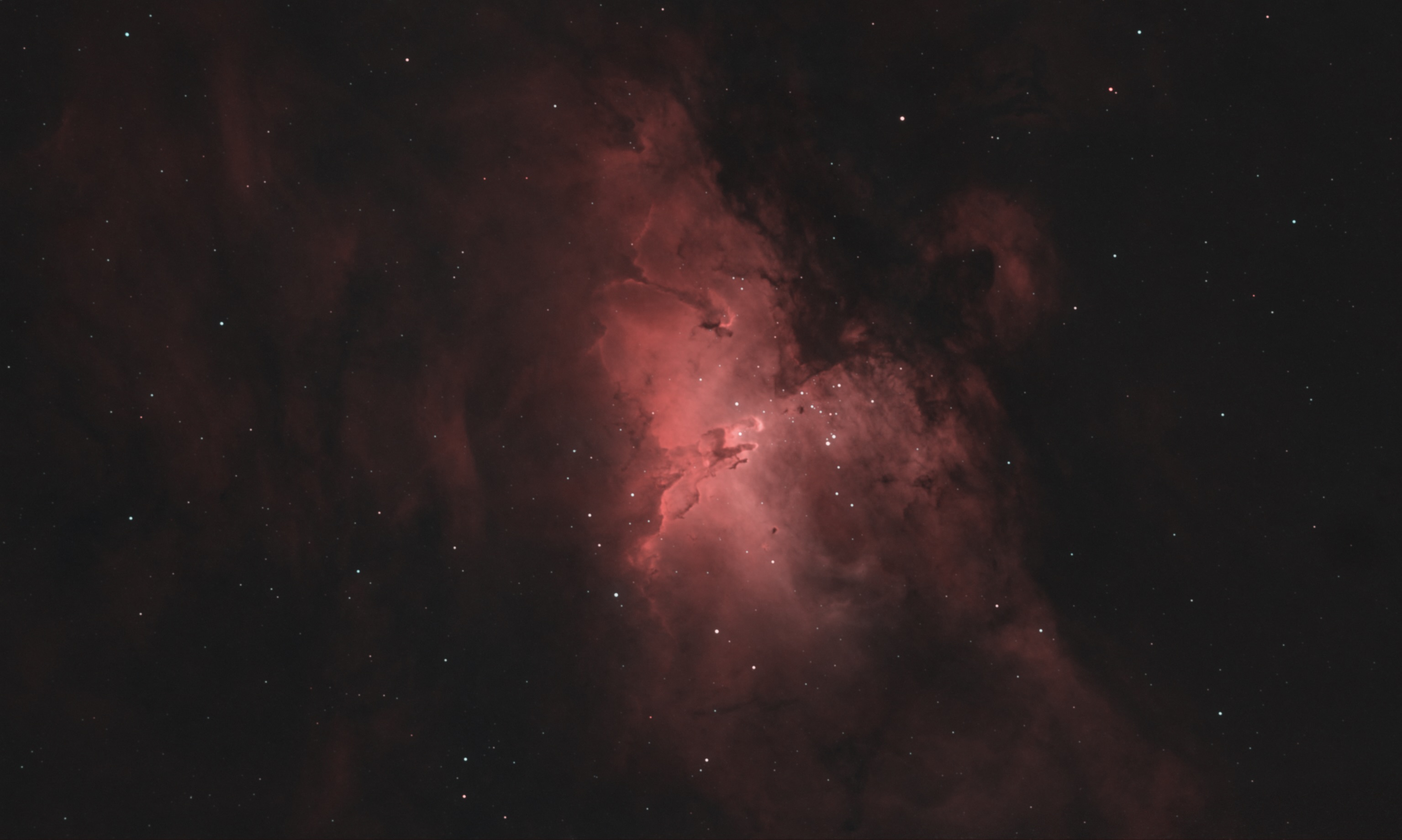
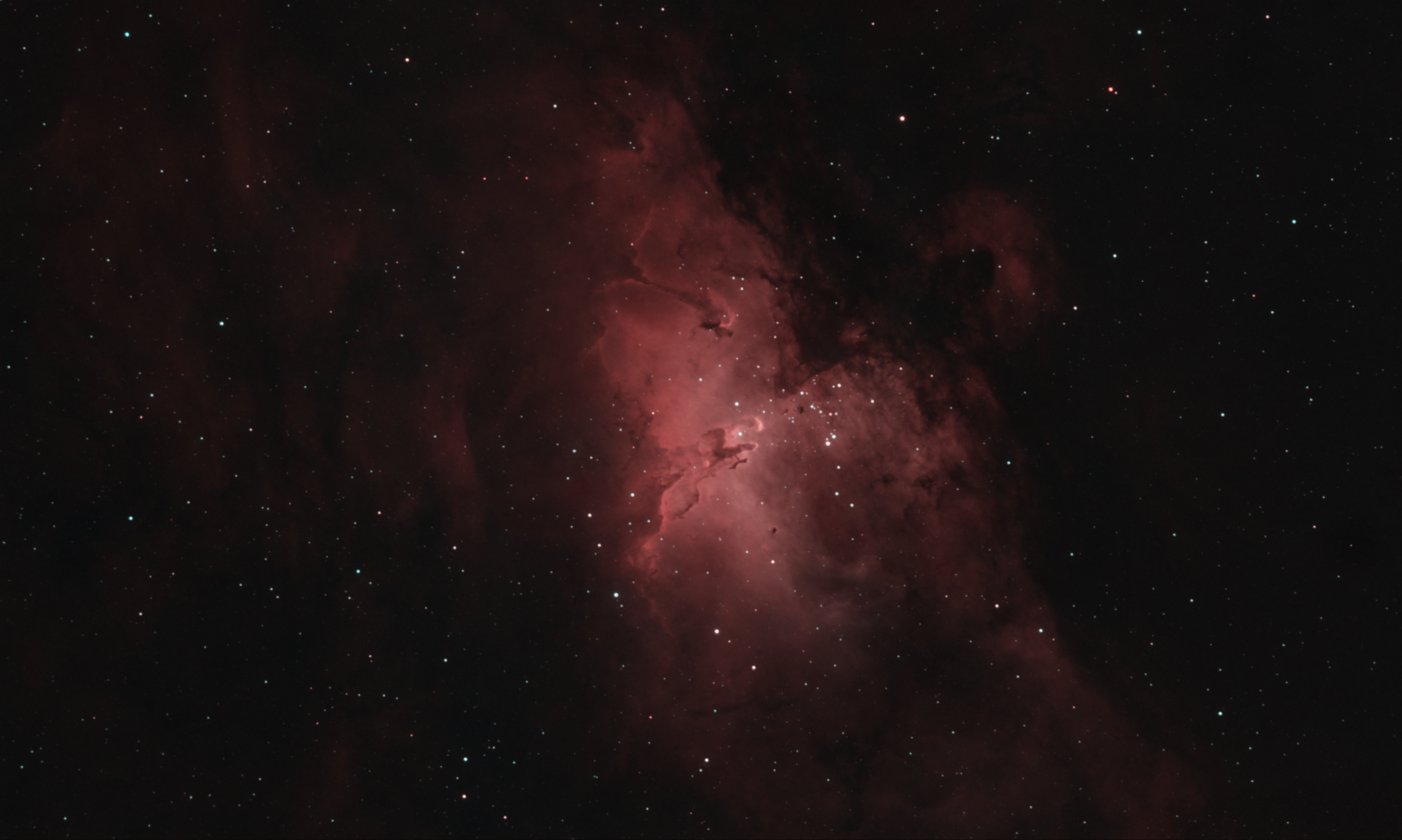
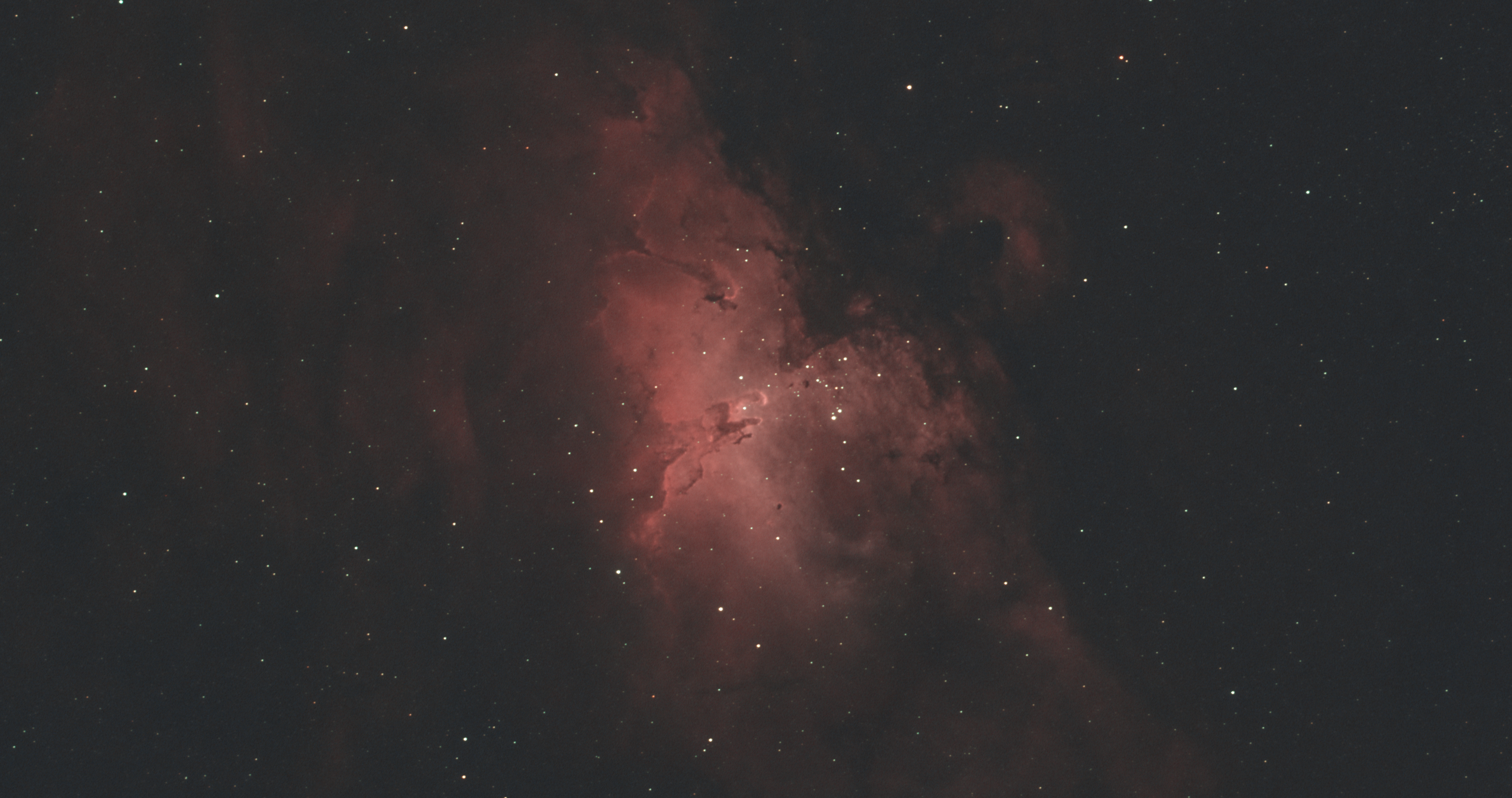
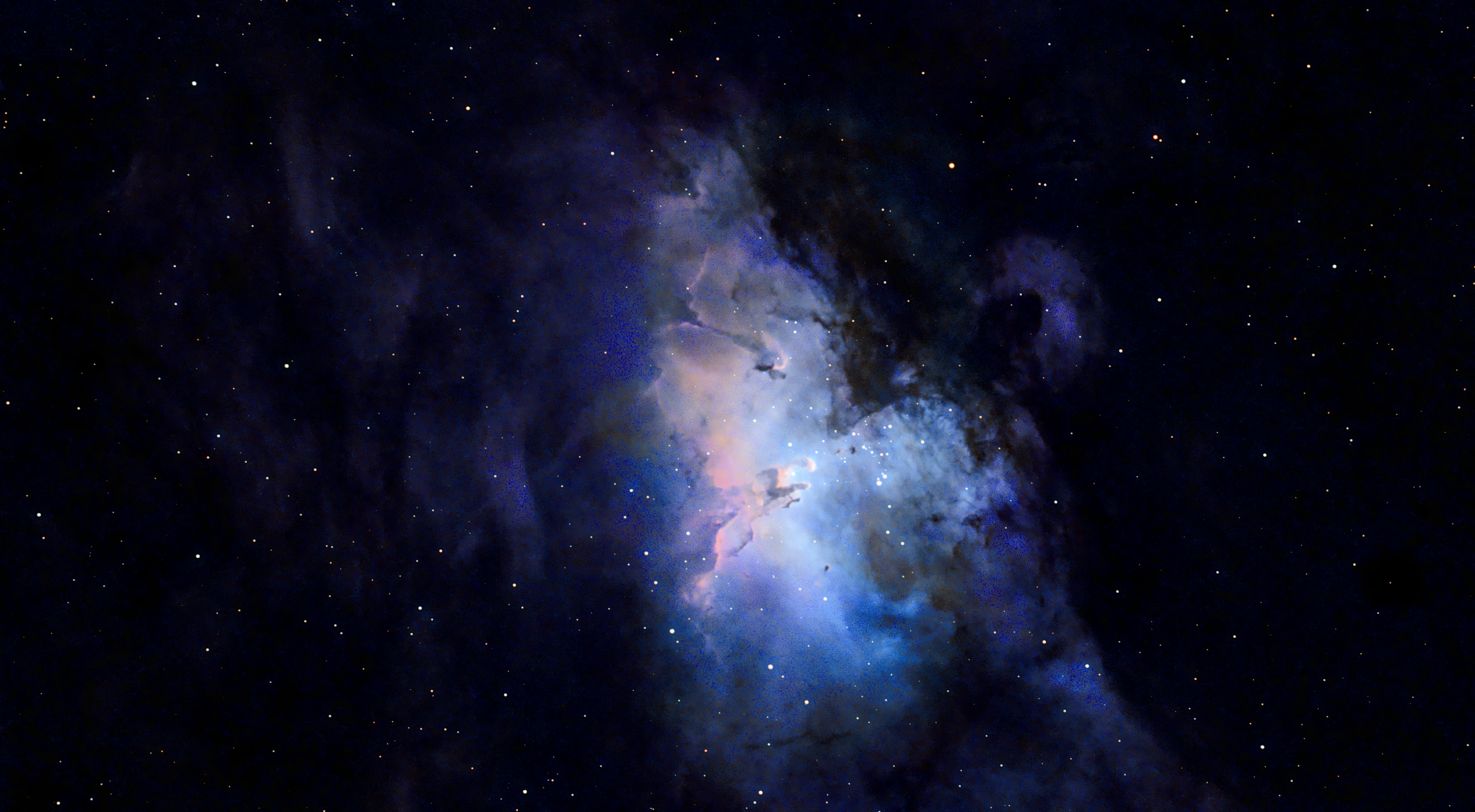
Here is another stacked and processed image of the Eagle Nebula. This one was approximately 10 hours of exposure.
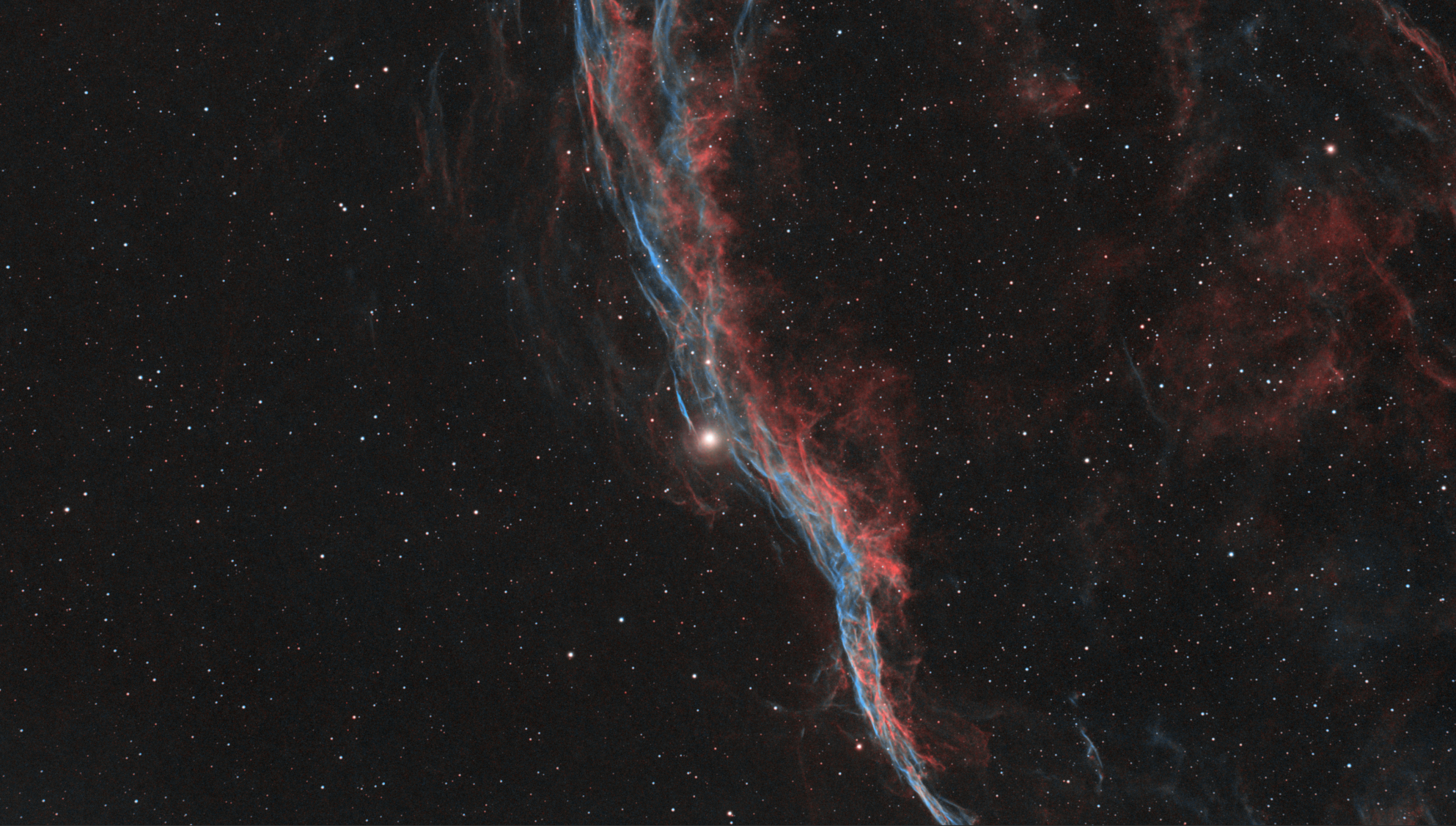
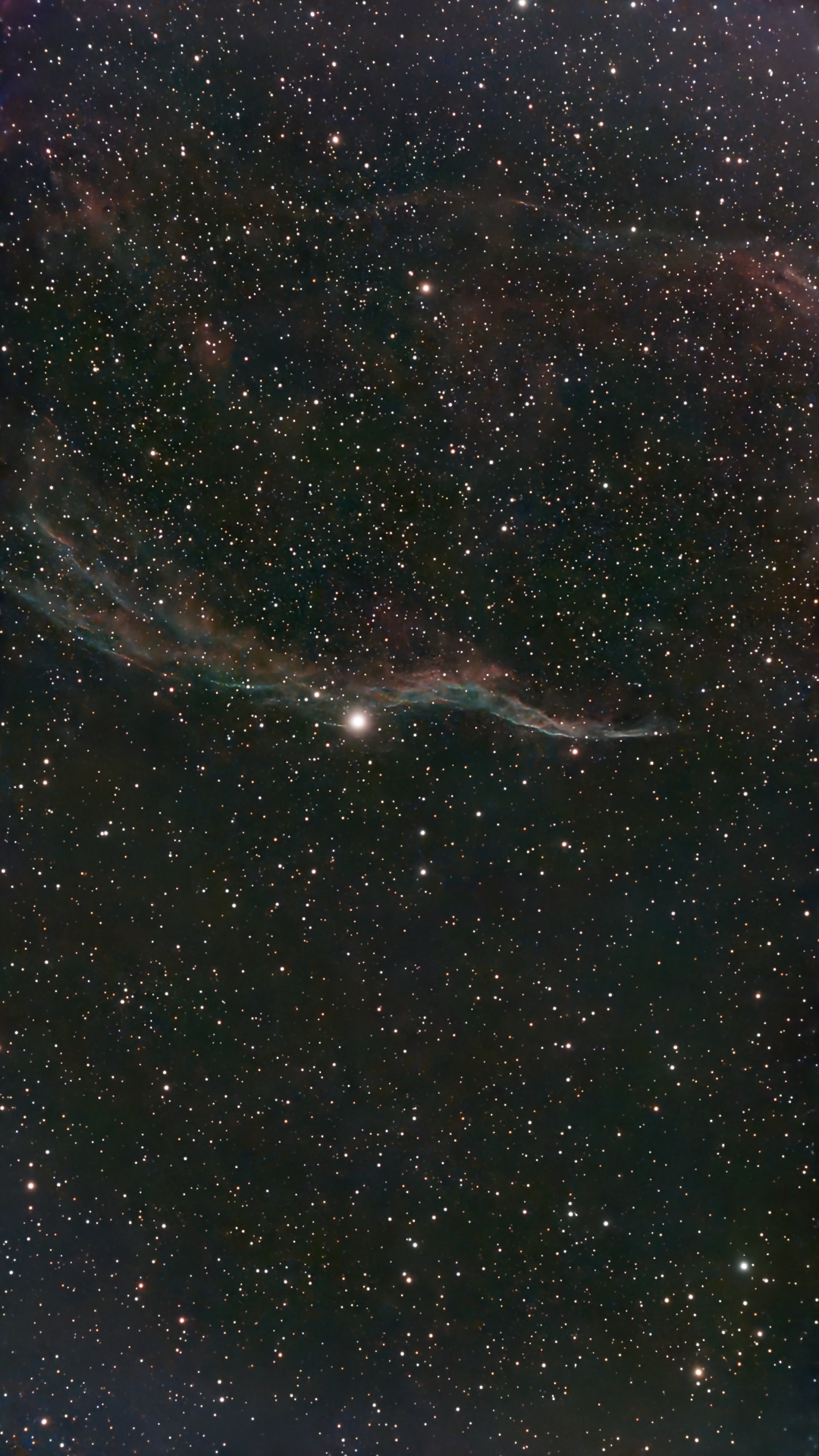
Here is an image of the Western Veil on the Veiled Nebula. This was around 4 hours of exposure.
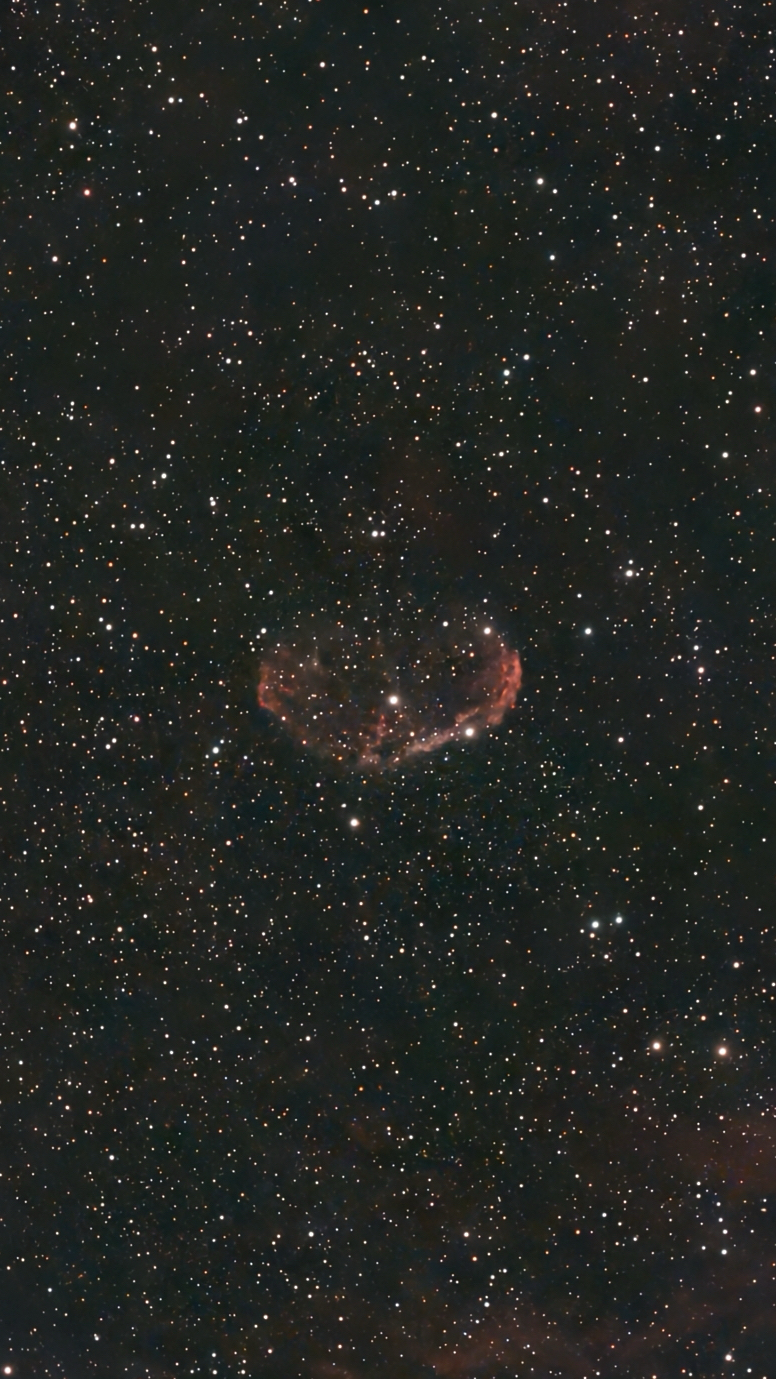
C-27, known as the Crescent Nebula. This was shot with my ASI585MC Pro with 6 hours of exposure.
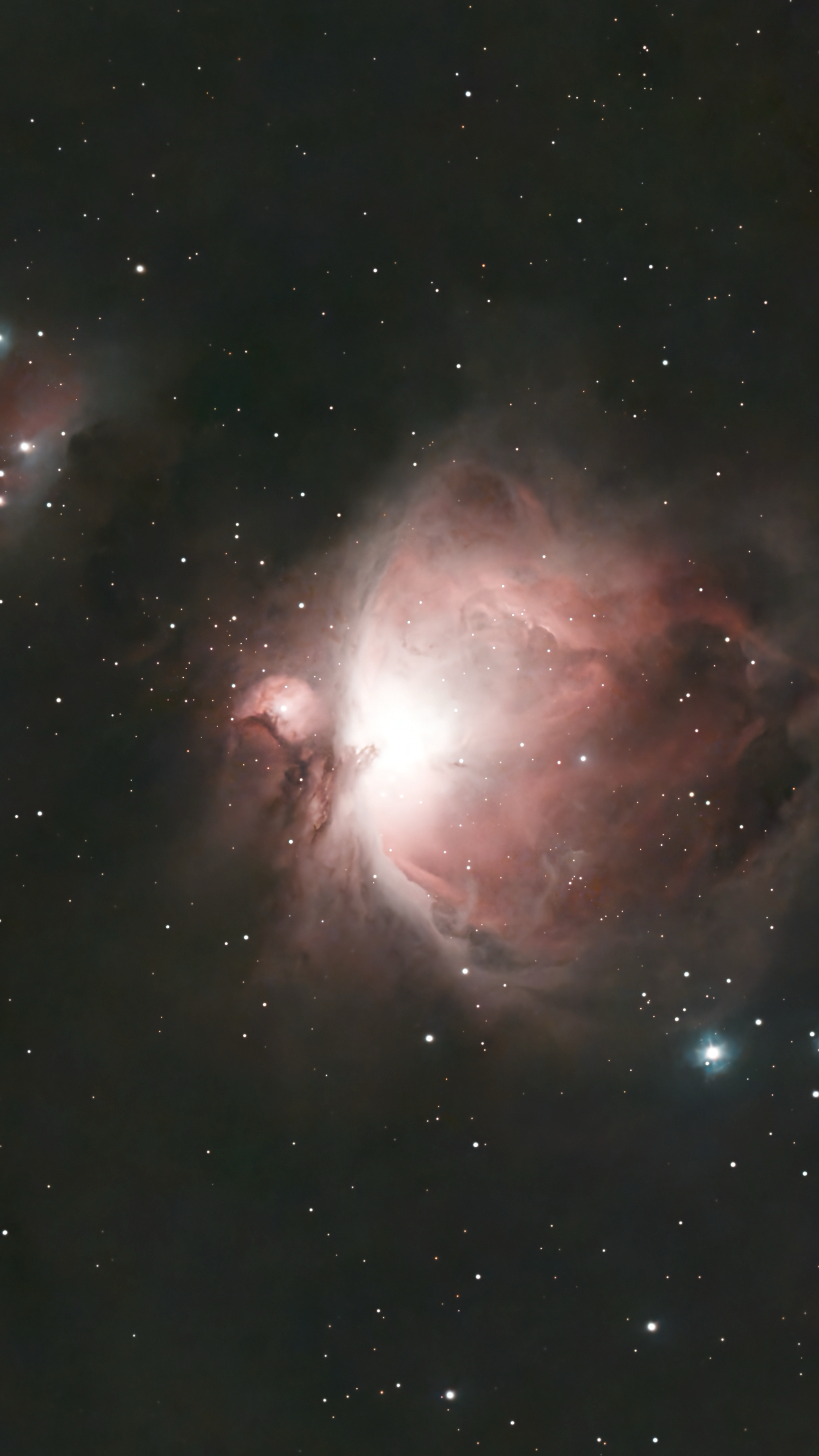
M42, the Orion Nebula, is a bright emission nebula and star-forming region in the constellation Orion, known since antiquity and cataloged by Charles Messier in 1771. It’s the nearest massive H II region to Earth, ionized by the young Trapezium Cluster of hot O-type stars, spanning ~65×60 arcminutes with glowing gas, dust lanes, and protoplanetary disks.
Apparent magnitude is 4.0. Distance from Earth is 1,344 light-years. Alternate name: Great Orion Nebula.
The newest image of M42 (Orion Nebula) has been added. The image was taken on 19 March 2026.
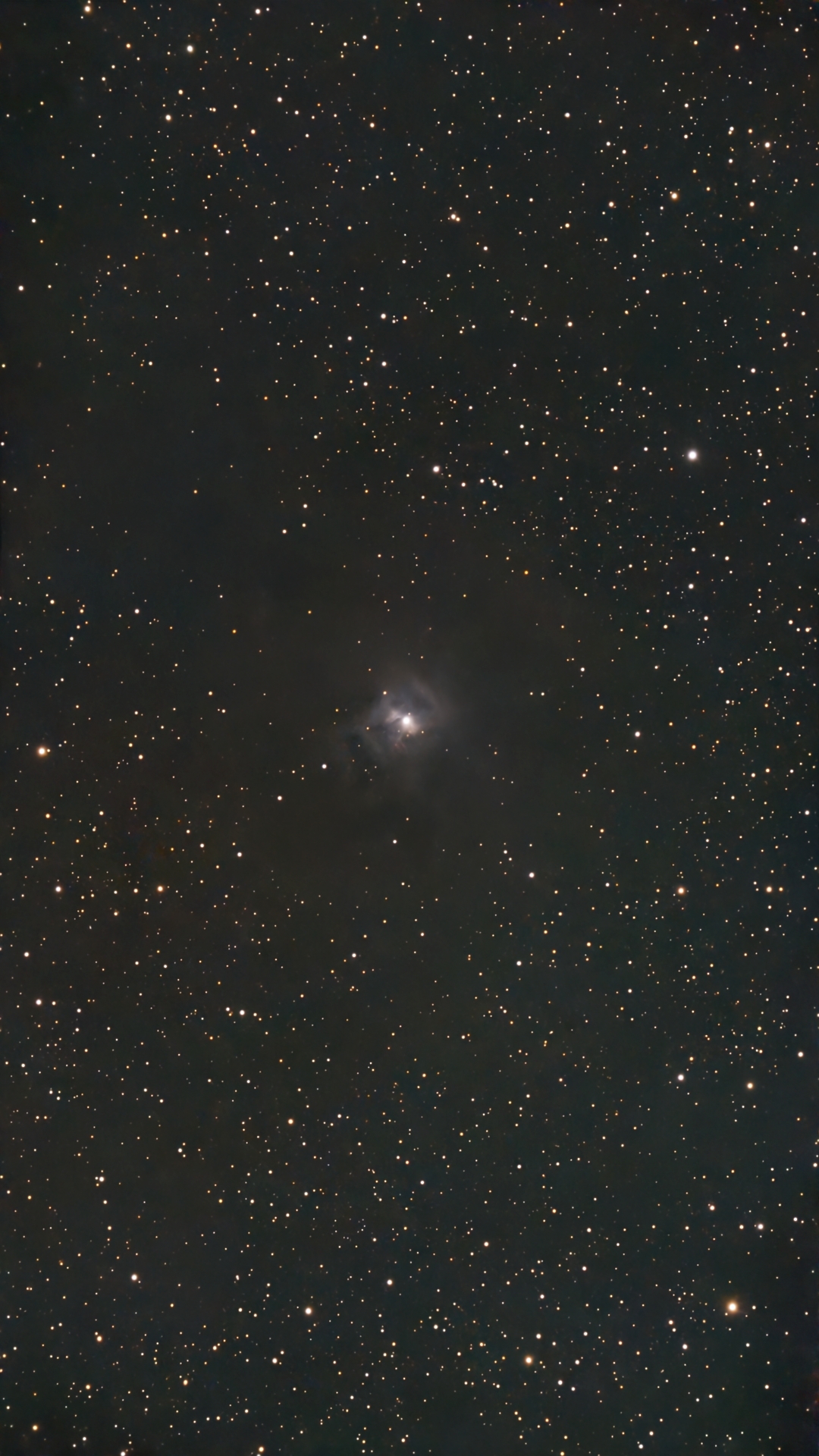
Caldwell 4, also known as the Iris Nebula, is a reflection nebula in the constellation Cepheus.. It spans roughly 6 light-years, glowing bluish from scattered light of its central star, with deep red filaments indicating unknown hydrocarbon-based compounds.
The apparent magnitude is 7.0. Its distance from Earth is approximately 1,400 light-years. Alternate names include NGC 7023. This nebula is of interest for its colors revealing all of the star-forming ingredients.
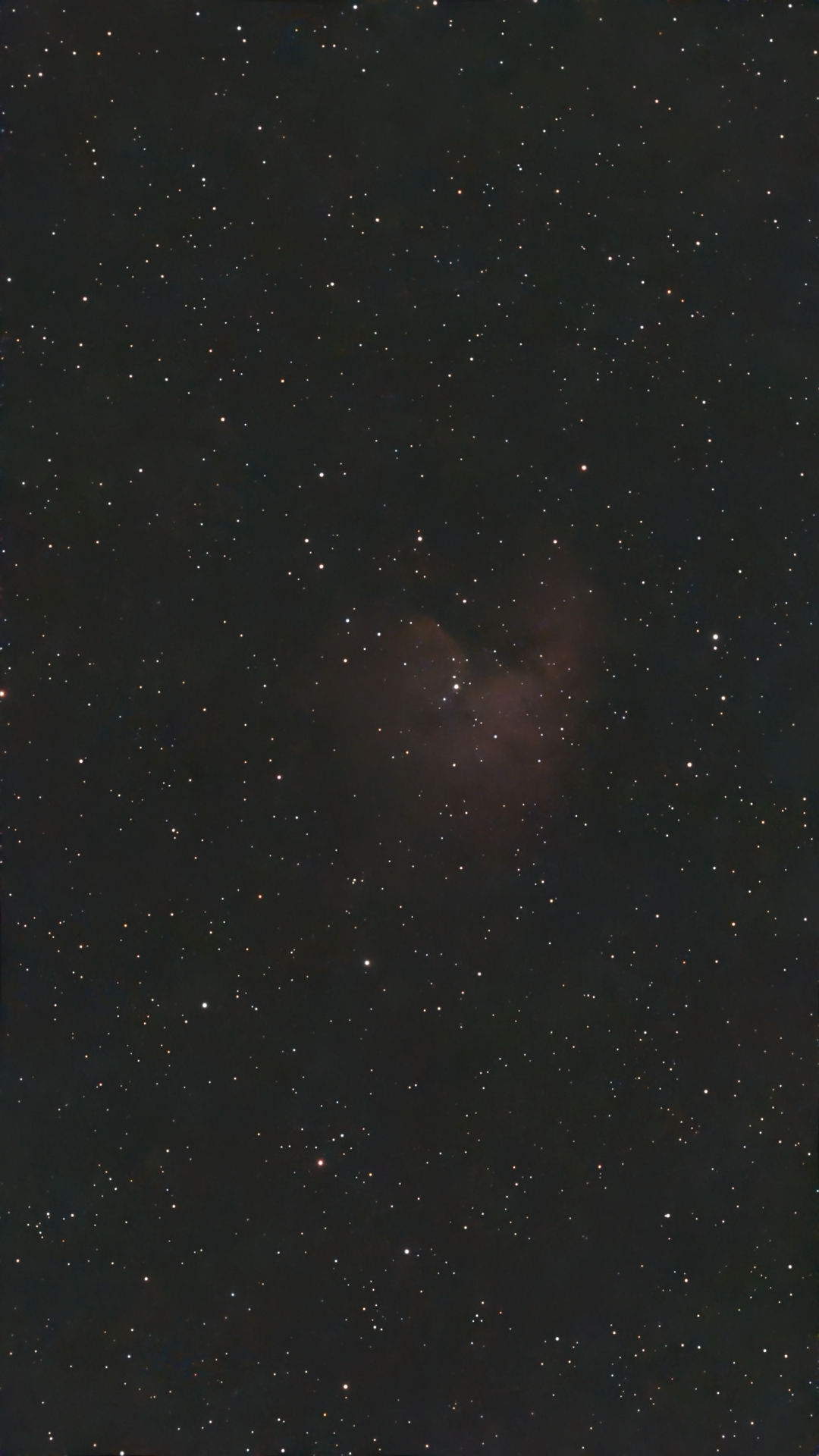
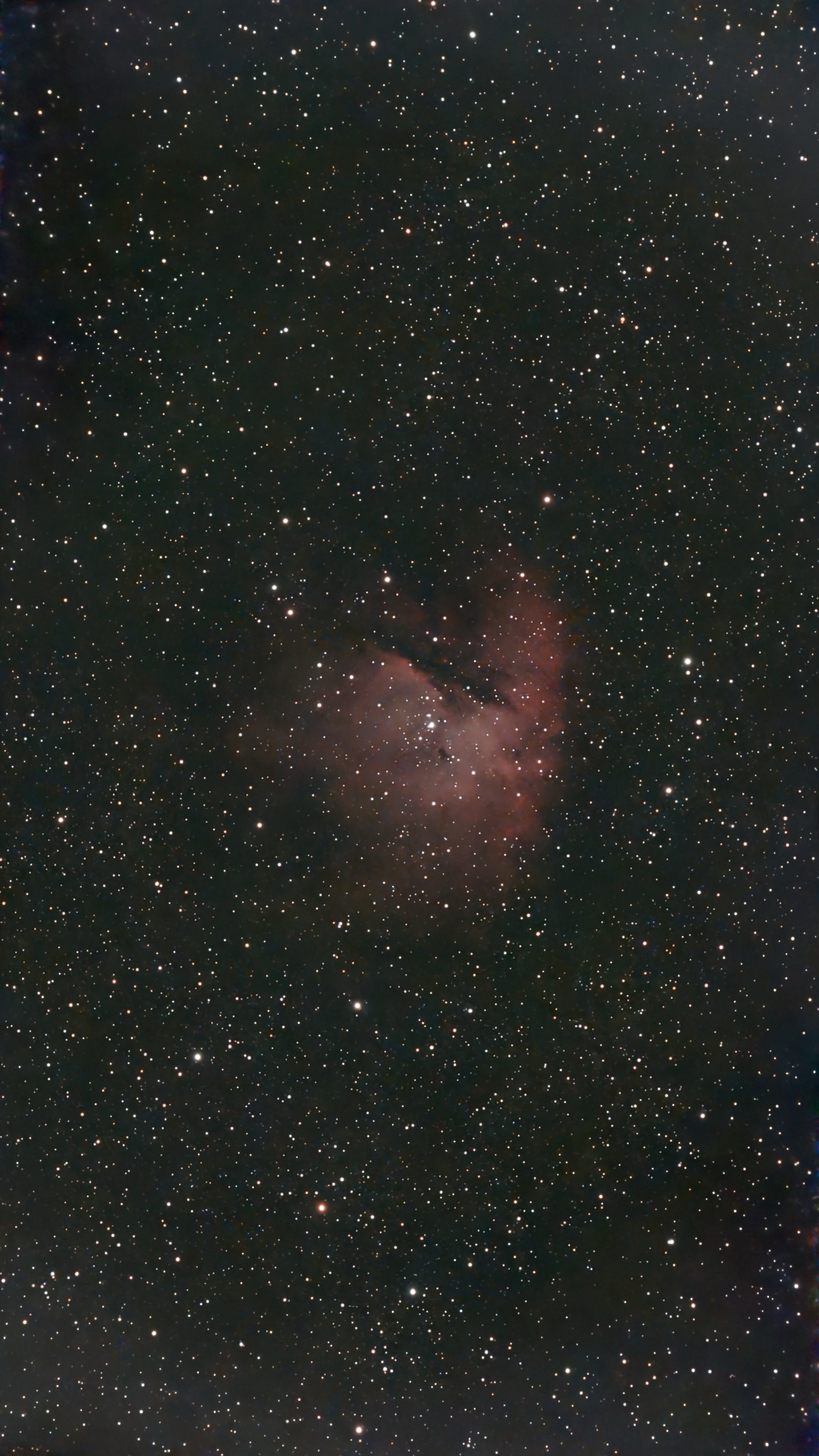
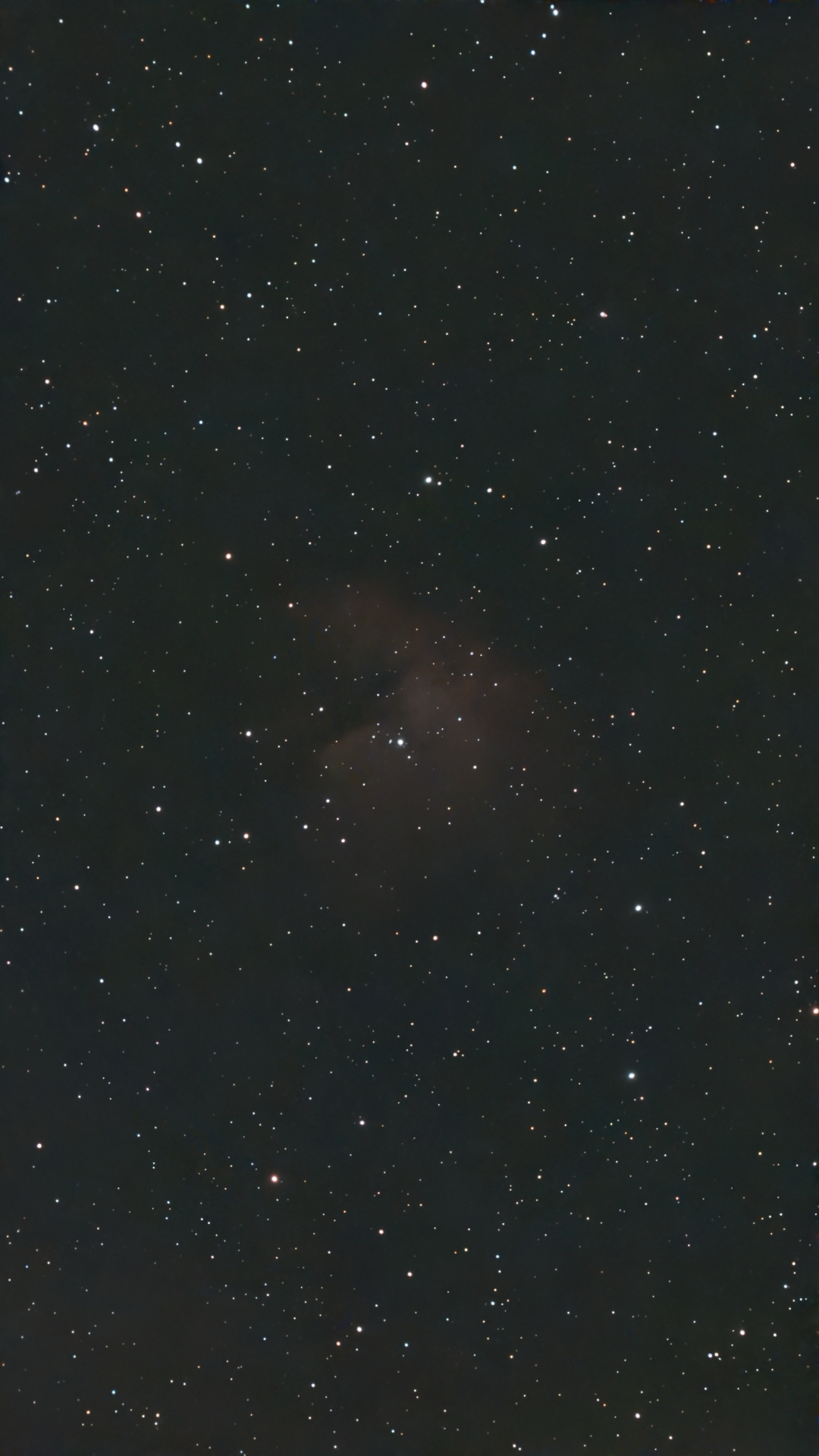
NGC 281, known as IC 11 or the Pacman Nebula, is an emission nebula and active star-forming region in the constellation Cassiopeia, containing the young open cluster IC 1590 ionized by massive O-type stars. It spans about 35 x 32 arcminutes with a distinctive “Pacman” shape from dark dust lanes. Apparent magnitude is 7.4. Distance from Earth is 9,500 light-years.
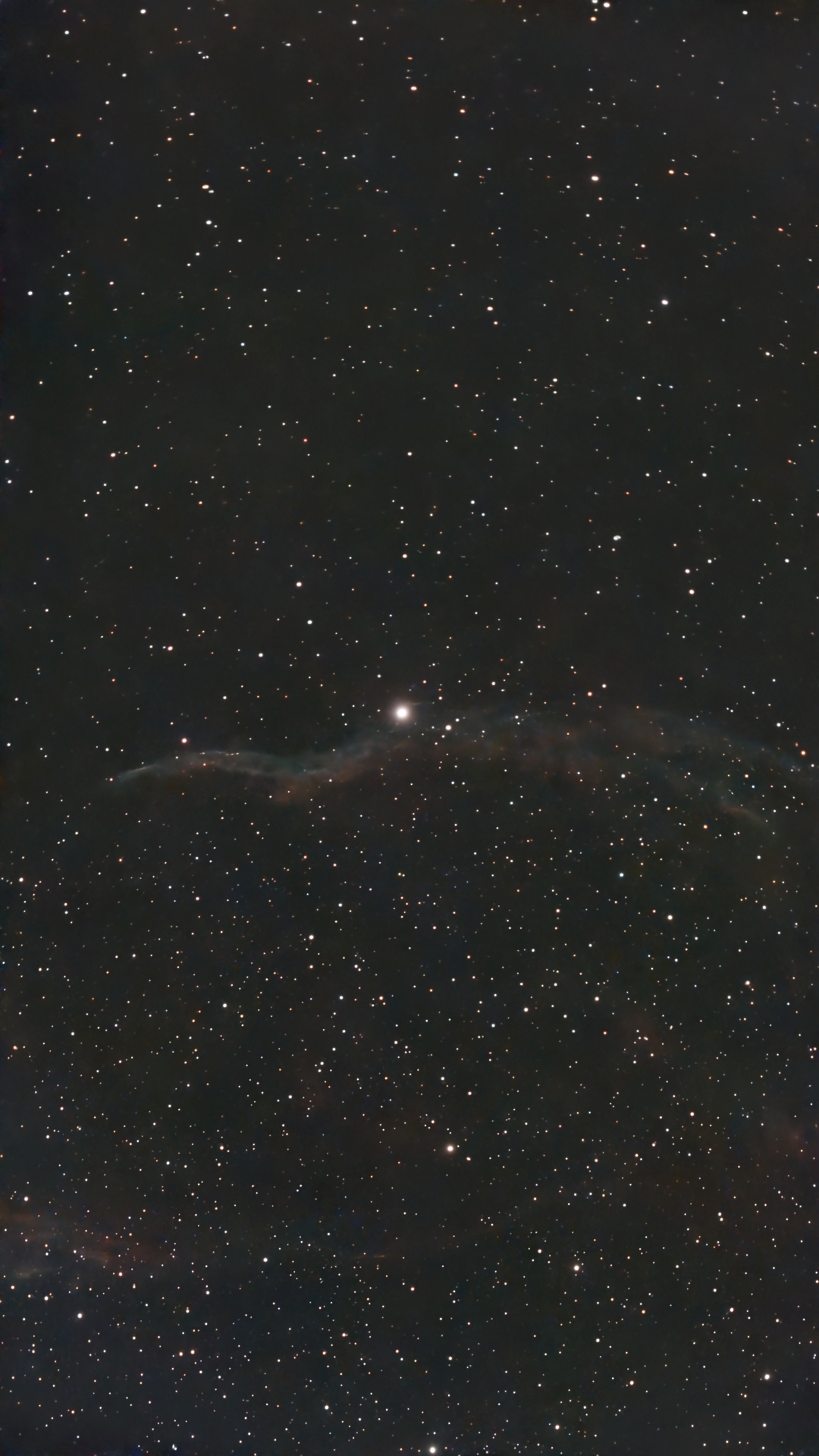
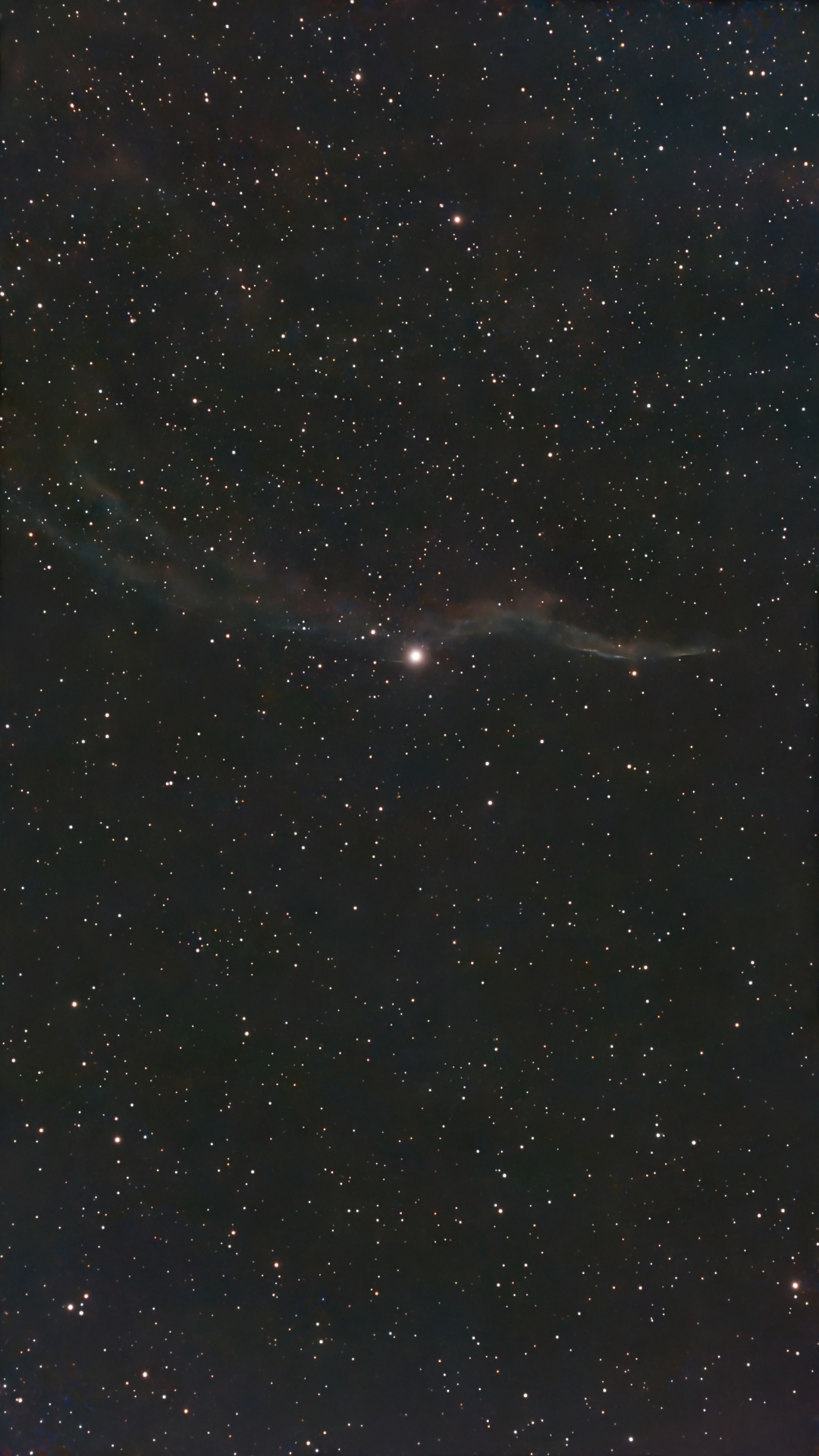
NGC 6960, also known as the Witch’s Broom Nebula, Filamentary Nebula, Caldwell 34, and the Western Veil Nebula, is a filamentary supernova remnant in the constellation Cygnus, discovered in 1784. It’s the western arc of the larger Veil Nebula (Cygnus Loop), an expanding shell of gas from a star that exploded roughly 8,000 years ago, featuring delicate, ionized filaments spanning 70 arcminutes. Its apparent magnitude is 7.0 and the distance from Earth is approximately 2,000 light-years.
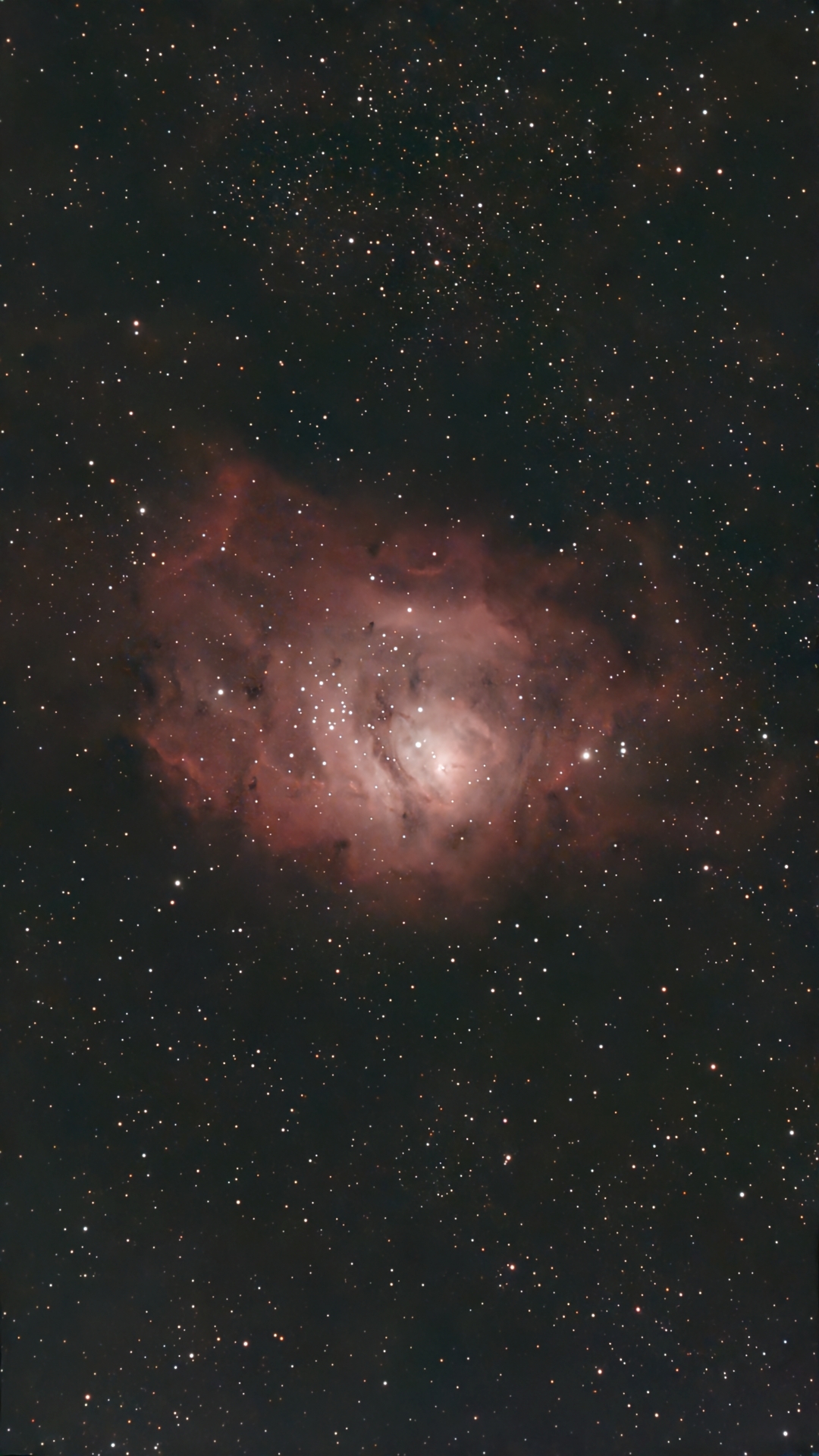
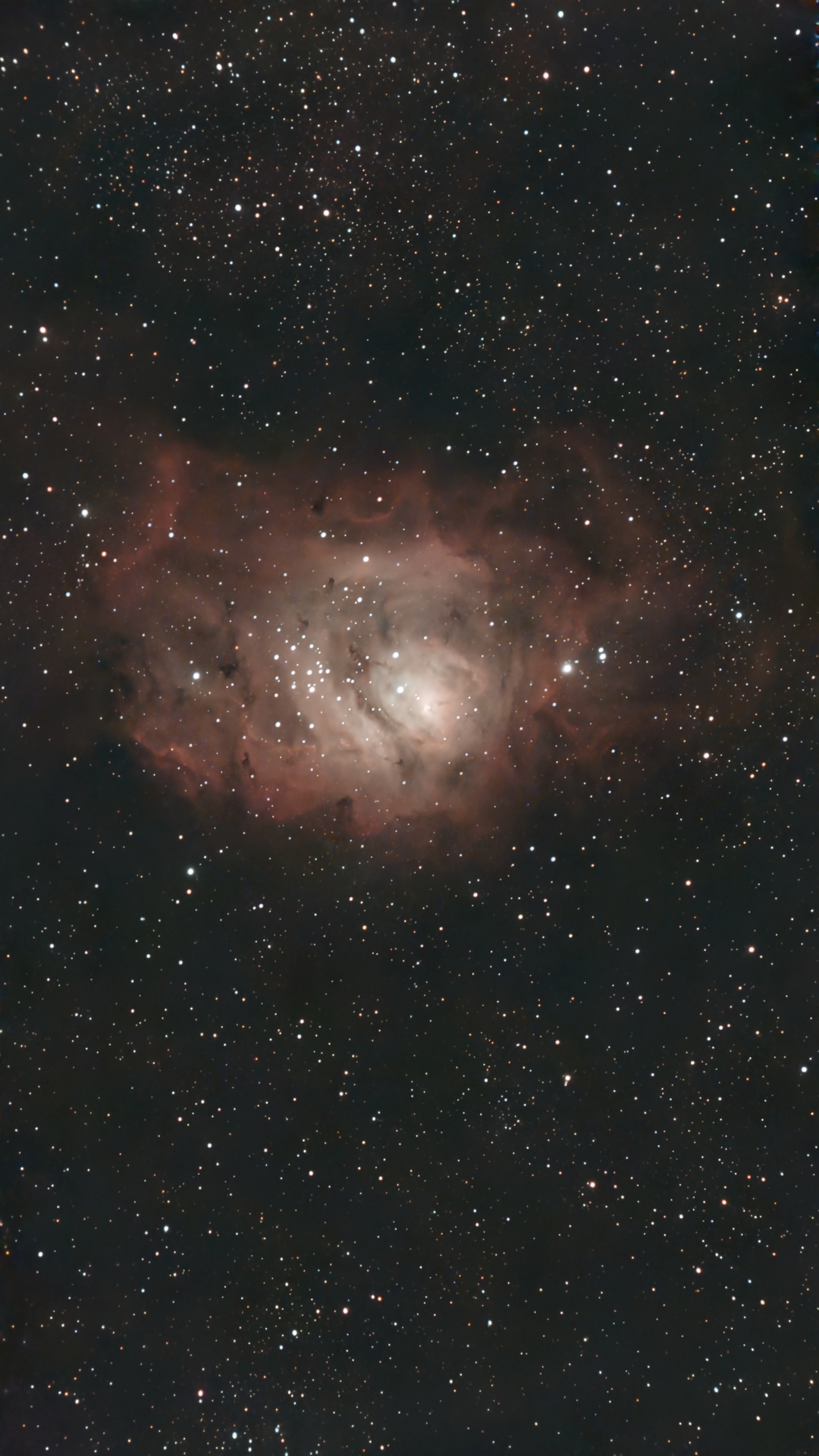
M8, the Lagoon Nebula or NGC 6523, is a giant emission nebula with an H II region in the constellation Sagittarius, discovered by Giovanni Hodierna in 1654. It’s an active stellar nursery ionized by ultraviolet radiation from embedded young stars, spanning 90 x 40 arcminutes. Apparent magnitude is 6.0. Distance from Earth is 4,100 light-years.
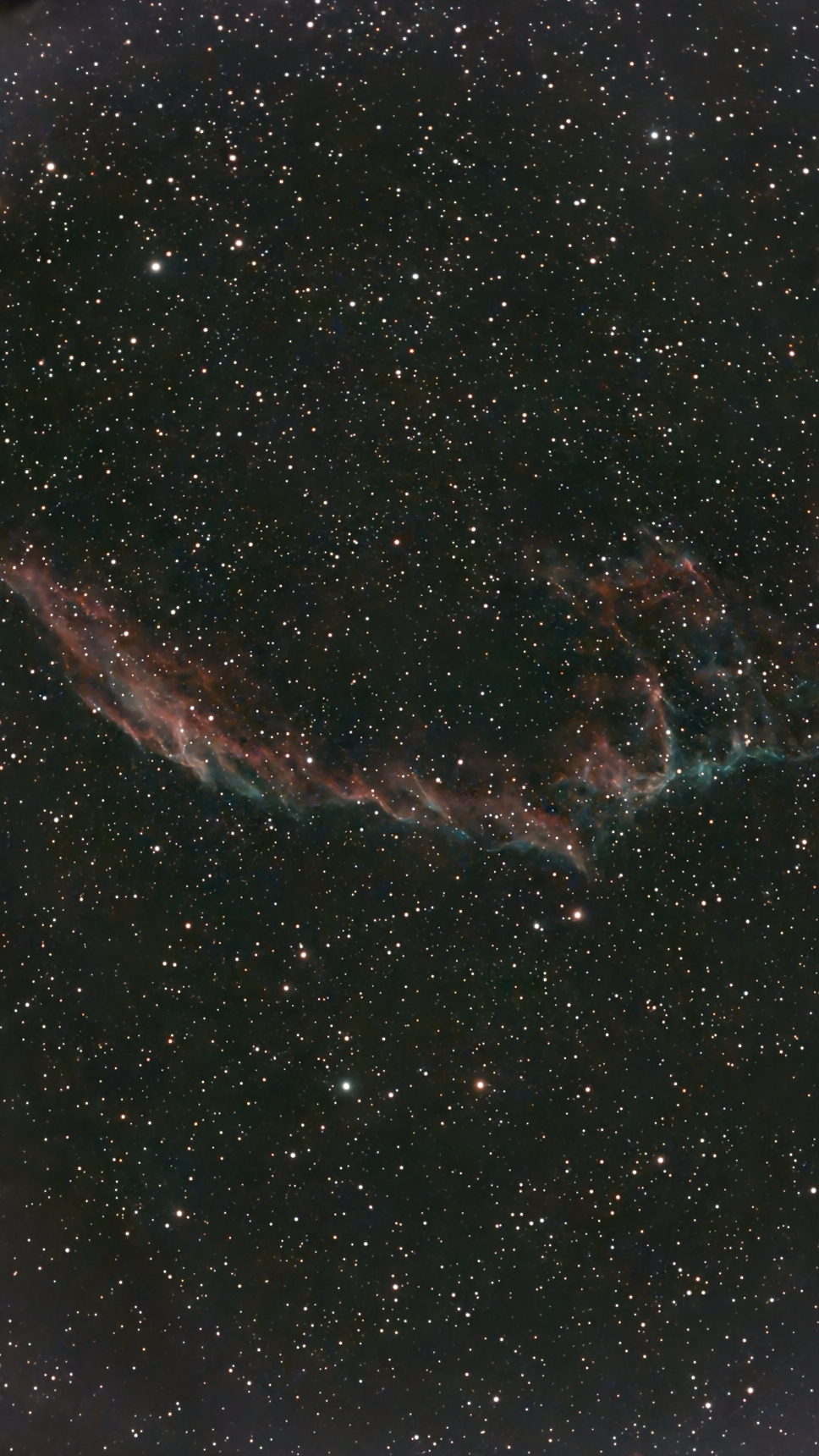
NGC 6992, also known as Caldwell 33, NGC 6995, and the Eastern Veil Nebula, is a filamentary supernova remnant in the constellation Cygnus, discovered in 1784. It’s the eastern arc of the larger Veil Nebula (Cygnus Loop), an expanding shell of ionized gas from a star that exploded roughly 8,000 years ago, spanning about 50 arcminutes. Apparent magnitude is 8.0. Distance from Earth is 2,000 light-years.
NGC 6888, also known as Caldwell 27, Sharpless 105, and the Crescent Nebula, is an emission nebula in the constellation Cygnus, discovered in 1792. It’s an expanding bubble of ionized gas sculpted by winds from the Wolf-Rayet star WR 136, spanning 25 x 18 arcminutes. The apparent magnitude is 7.4 and the distance from Earth is approximately 5,000 light-years.
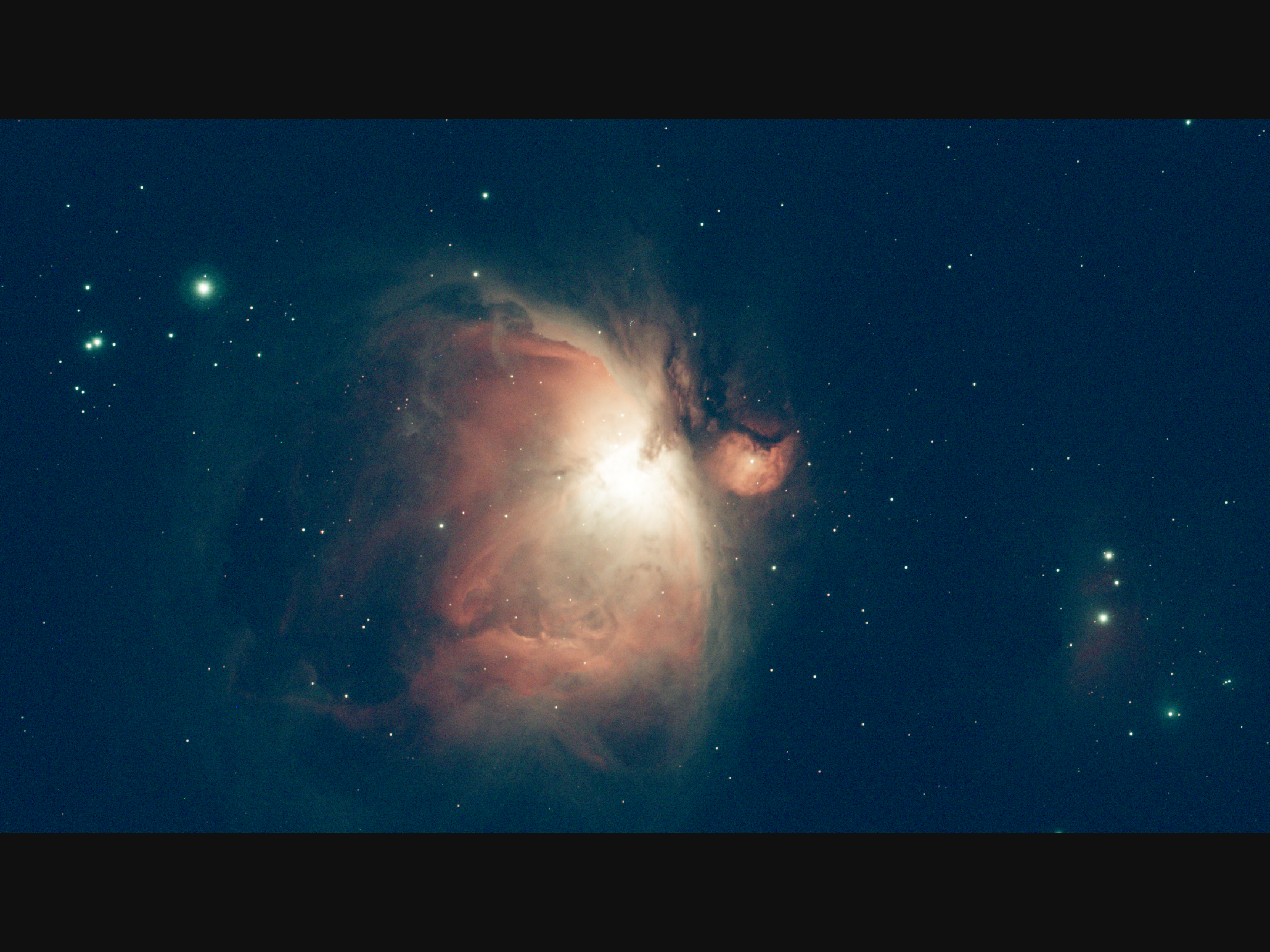
This was my first shot of the Orion Nebula with my new camera. Overexposed, and blown out, but it still looked pretty cool!
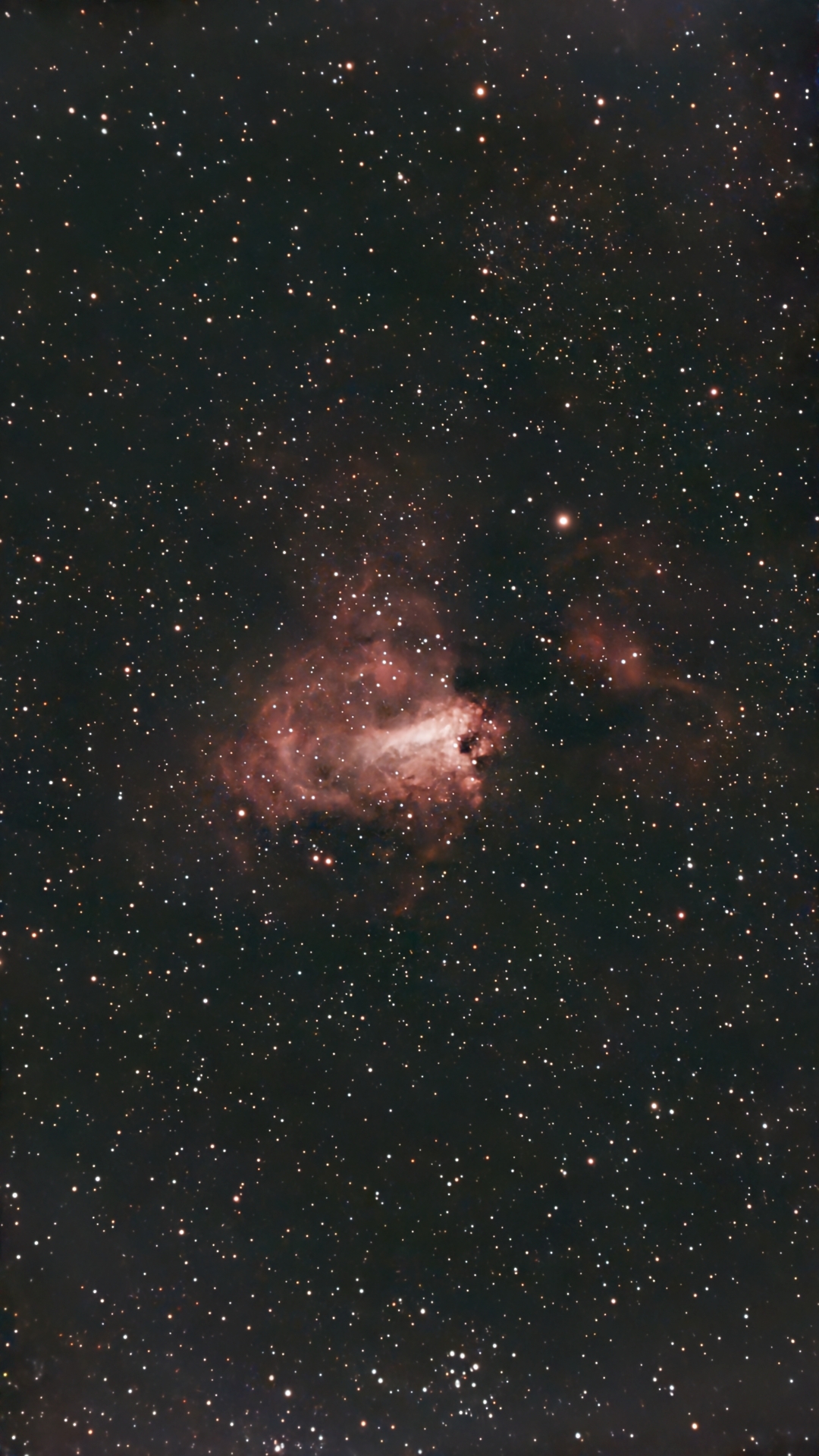
M17, also known as the Omega Nebula, Swan Nebula, NGC 6618, Horseshoe Nebula, Lobster Nebula, and Checkmark Nebula, is a bright emission nebula and H II region in the constellation Sagittarius, discovered in 1764. It’s a prolific star-forming region ionized by a young open cluster of massive stars, resembling the Greek letter omega or a swan’s neck in wide-field views, spanning about 11 arcminutes. Apparent magnitude is 6.0. Distance from Earth is 5,500 light-years.
M16, the Eagle Nebula, NGC 6611, or famously known as the iconic Pillars of Creation, is an emission nebula and open star cluster in the constellation Serpens, discovered in 1746. It’s a stellar nursery ionized by young O and B stars, spanning 70 x 50 arcminutes and towering columns of gas and dust 4-5 light-years tall. Apparent magnitude is 6.0. Distance from Earth is 7,000 light-years.